Model Assumption Inventory
A structured way to document assumption purpose, source, owner, review frequency, sensitivity, and limitations.
Read brief →
Skyward Global Merch Depot LLC supports insurers and insurance-focused teams with structured analysis across product models, premium pricing, catastrophe scenarios, claims workflow digitalization, and model/compliance risk controls.

The work is structured around the decision that management needs to make, the data that is available, the assumptions that must be documented, and the professional or regulatory review that may be required.
Cash flow, benefit, expense, lapse, claim, scenario, sensitivity, and model documentation support.
↗ 02Expected cost, assumptions, segmentation, expenses, margin, scenarios, and pricing governance.
↗ 03Hazard scenarios, exposure aggregation, vulnerability assumptions, event loss views, and stress testing.
↗ 04Intake, triage, document routing, rules, handoffs, exception paths, audit trails, and management visibility.
↗ 05Model inventory, ownership, review evidence, change control, escalation, documentation, and governance design.
↗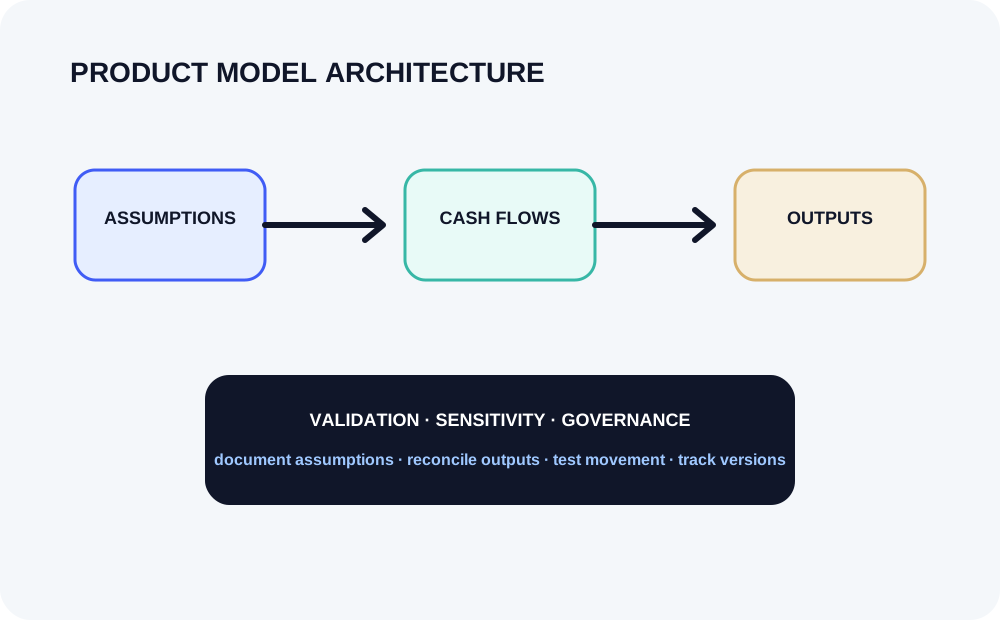
A useful insurance model is not only a calculation engine. It should make inputs, cash-flow logic, scenario choices, sensitivities, validation, and ownership understandable enough for review.
Separate assumptions, mechanics, financial outputs, sensitivities, and governance.
Use reasonableness checks, reconciliations, movement analysis, and documented exceptions.
Record versions, assumption sources, approvals, limitations, and change rationale.
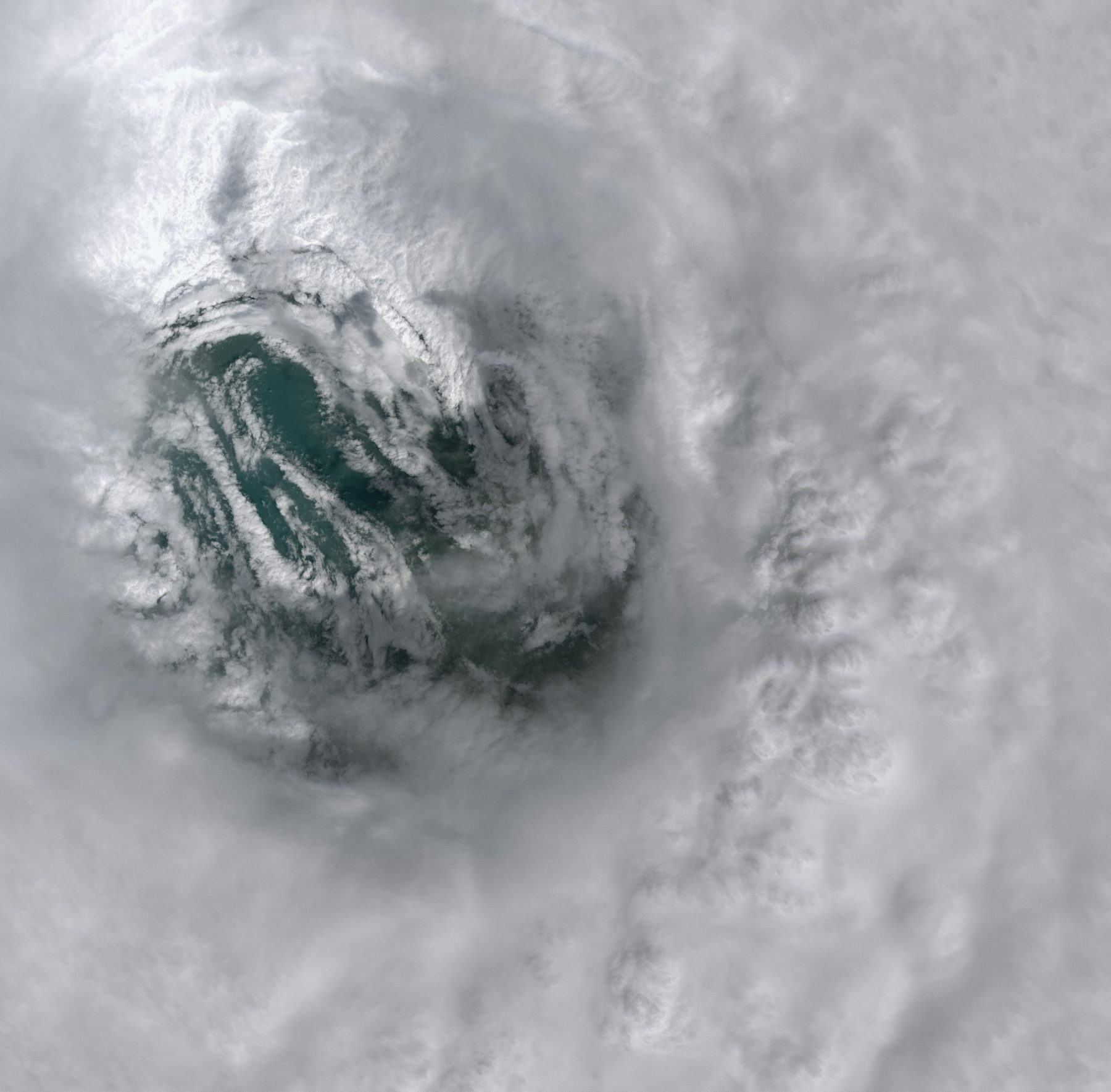
Catastrophe analysis combines hazard, exposure, vulnerability, financial terms, and uncertainty. Scenario outputs are decision tools—not guarantees of what a future event will cost.
Claims transformation works best when intake, triage, rules, evidence, handoffs, exceptions, and auditability are designed as one workflow.
Document the current state and identify rework, manual queues, duplicate entry, and unclear ownership.
Clarify which cases can move automatically and which require human review.
Design status, document, decision, and exception logs for operational and governance review.
Define the insurance question, intended use, users, scope, data, assumptions, and review requirements before building.
Translate product, pricing, event, claims, or control logic into a documented model or workflow.
Use sensitivities, reconciliation, scenario tests, exception paths, and reasonableness checks to understand behavior.
Assign ownership, review evidence, limitations, change control, escalation, and any credentialed or legal review required.
These are general consulting resources, not statutory actuarial opinions, legal advice, or regulatory filings.
A structured way to document assumption purpose, source, owner, review frequency, sensitivity, and limitations.
Read brief →Questions to organize exposure, claims, segmentation, expense, trend, credibility, and governance before rate work begins.
Read brief →Ownership, documentation, validation, change control, evidence, escalation, and review requirements.
Read brief →Share the product, portfolio, claims process, catastrophe question, or governance issue and what management needs to decide.
contact@skywardglobalmerchdepot.online
(216) 331-9301