

Questions this work can help structure.
- Which models, calculators, spreadsheets, rules, workflows, or decision tools are material enough to govern?
- Who builds, owns, approves, uses, monitors, and independently reviews each item?
- What minimum documentation and validation evidence is required?
- How are versions, assumptions, data changes, logic changes, and emergency fixes controlled?
- What limitations, overrides, exceptions, and unresolved findings must be tracked?
- Which legal, regulatory, compliance, actuarial, audit, privacy, security, or other specialist reviews are required?
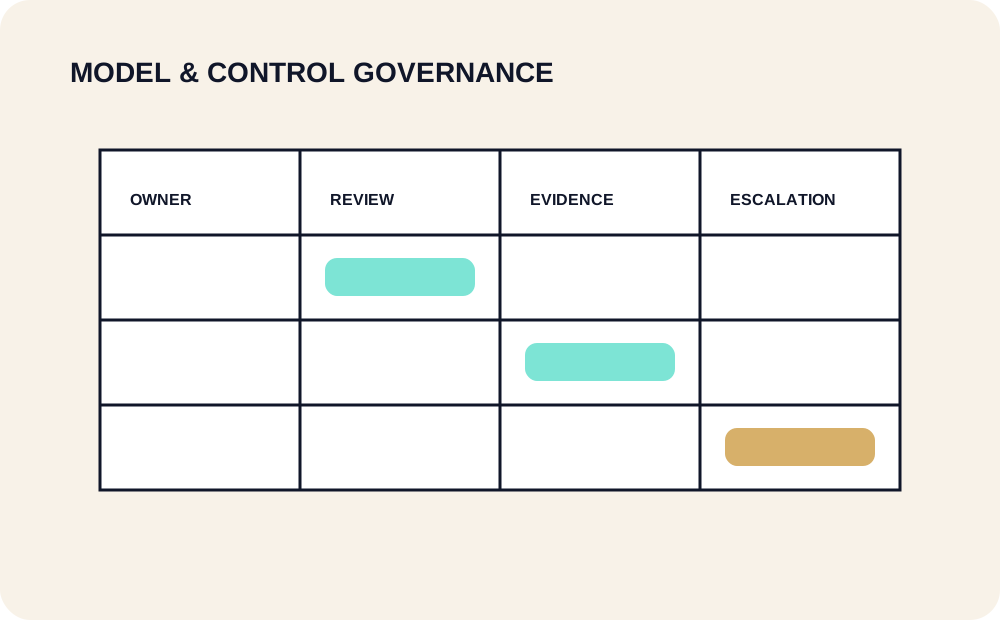
Typical workstreams.
Inventory & tiering
Create an inventory and use materiality, complexity, or decision impact to determine appropriate control intensity.
Roles & responsibilities
Define owner, developer, reviewer, approver, user, monitoring, and escalation responsibilities.
Evidence standards
Set expectations for documentation, testing, approvals, change history, limitations, and issue remediation.
Control cycle
Design periodic review, monitoring, exception management, escalation, and retirement processes.
Potential deliverables.
The exact deliverables depend on the decision, data, jurisdiction, system environment, professional review requirements, and agreed engagement scope.
Governance inventory
Materiality/tiering framework
RACI / ownership map
Documentation standard
Validation evidence checklist
Change control process
Issue/escalation workflow
Review calendar
Professional scope: Compliance and governance consulting is not legal advice and does not represent regulatory approval. Legal and regulatory interpretations should be obtained from appropriately qualified counsel or specialists.
What makes the work defensible.
Outputs should connect back to source data, assumptions, methods, limitations, ownership, and review evidence so management can understand what changed and why.